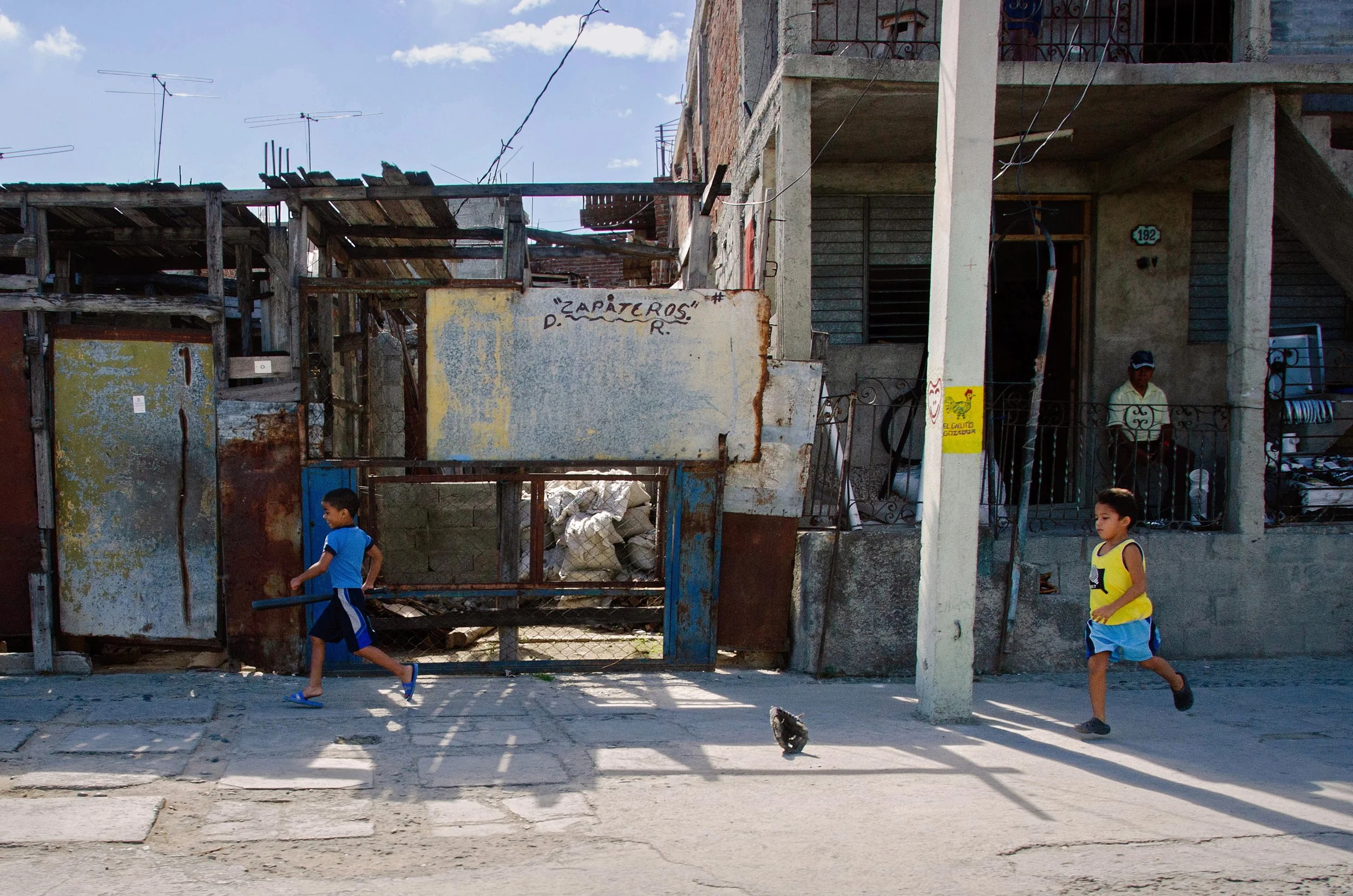
Cuba
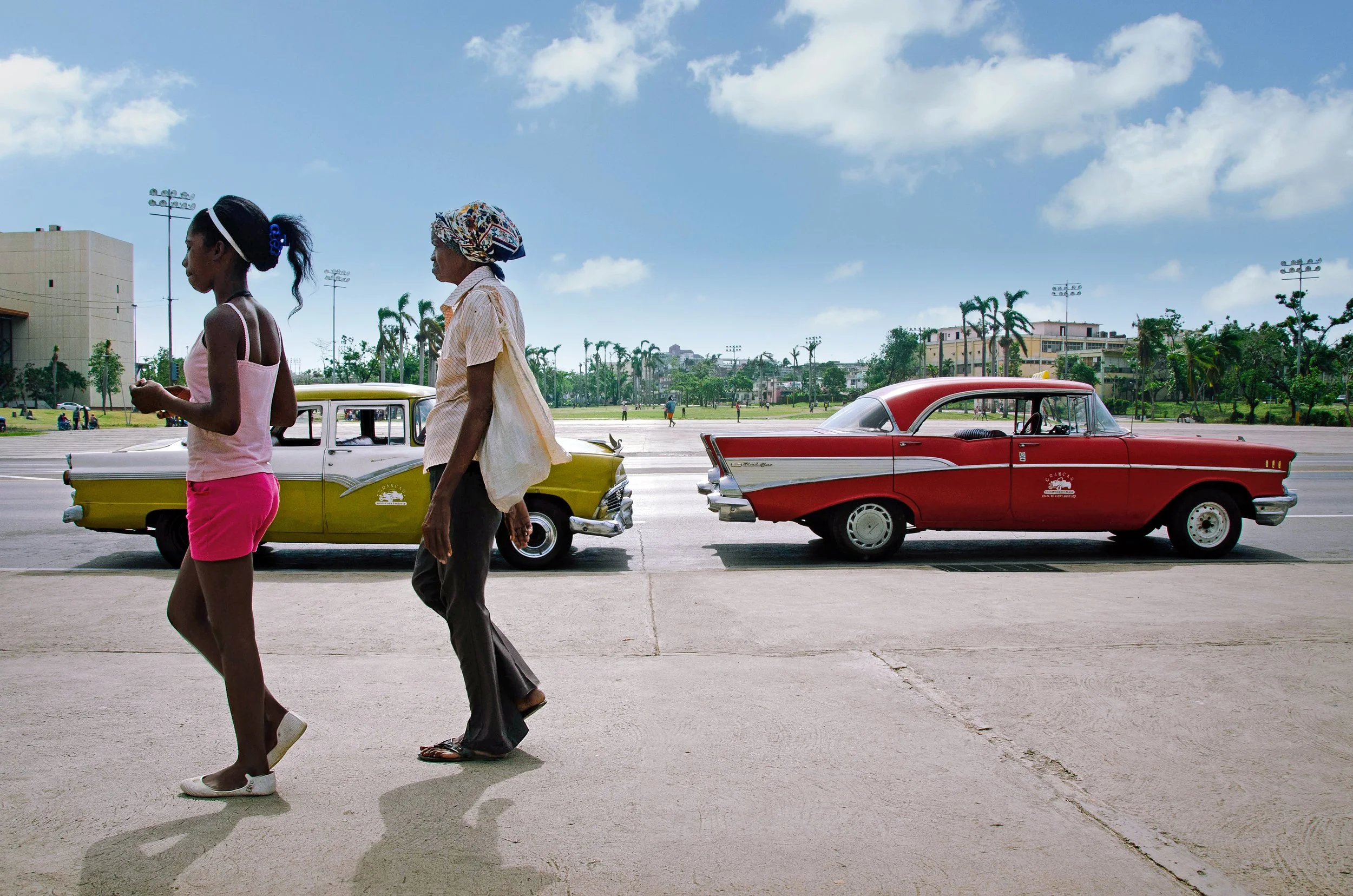
Cuba was overwhelming to photograph.
Not in the sense of spectacle, but in volume. Everything seemed to present itself at once. Colour, movement, people, architecture, history, decay, improvisation. Every street corner felt like a photograph before I’d even lifted the camera. It was difficult to know where to start and harder still to know what to leave out.
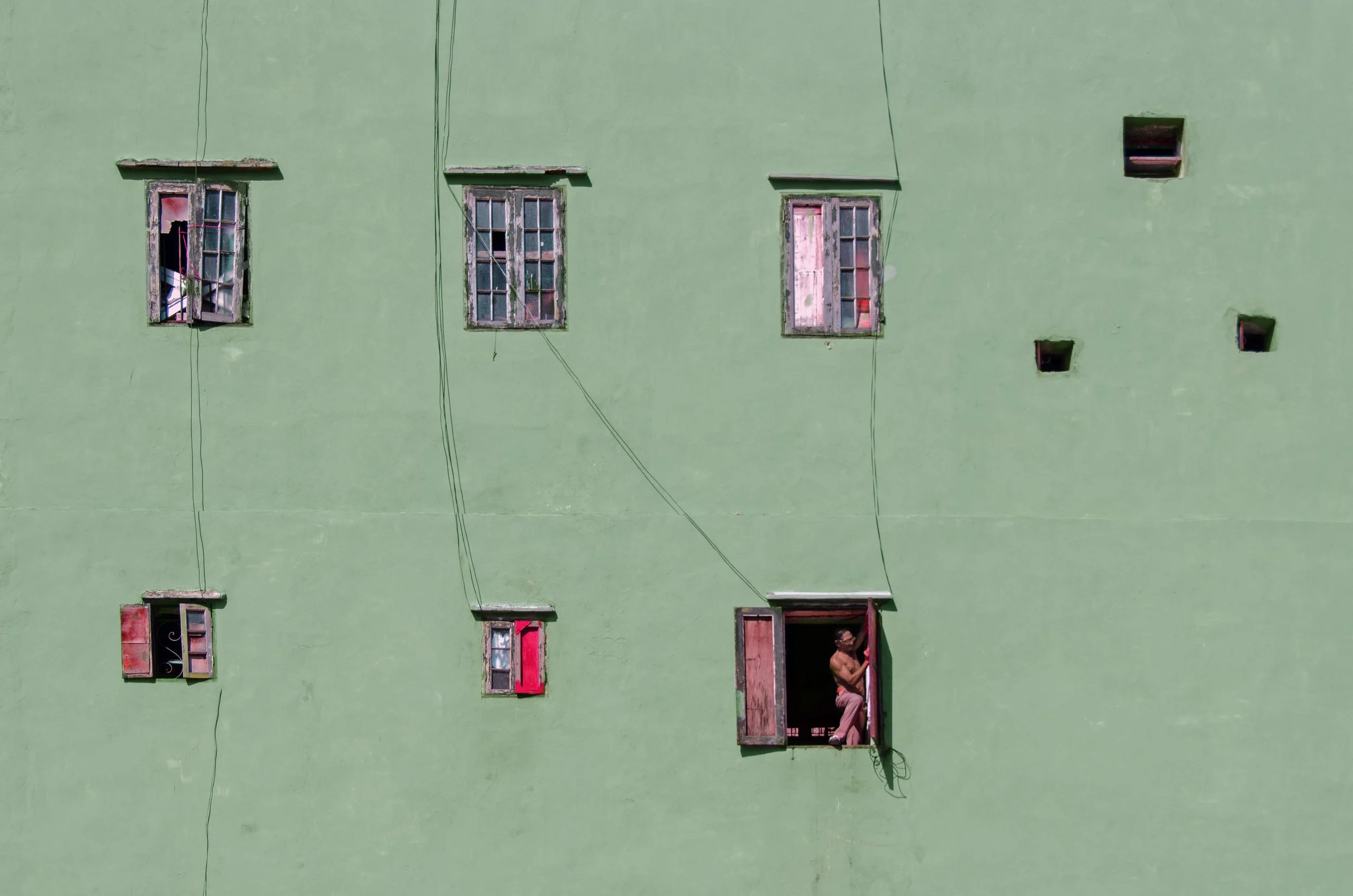
At the time, I didn’t have much of a framework for working through that. I photographed instinctively, responding to what was in front of me rather than making deliberate choices; cars passing in opposite directions, people crossing wide open spaces, windows puncturing flat walls. Scenes arranging themselves briefly before dissolving again.
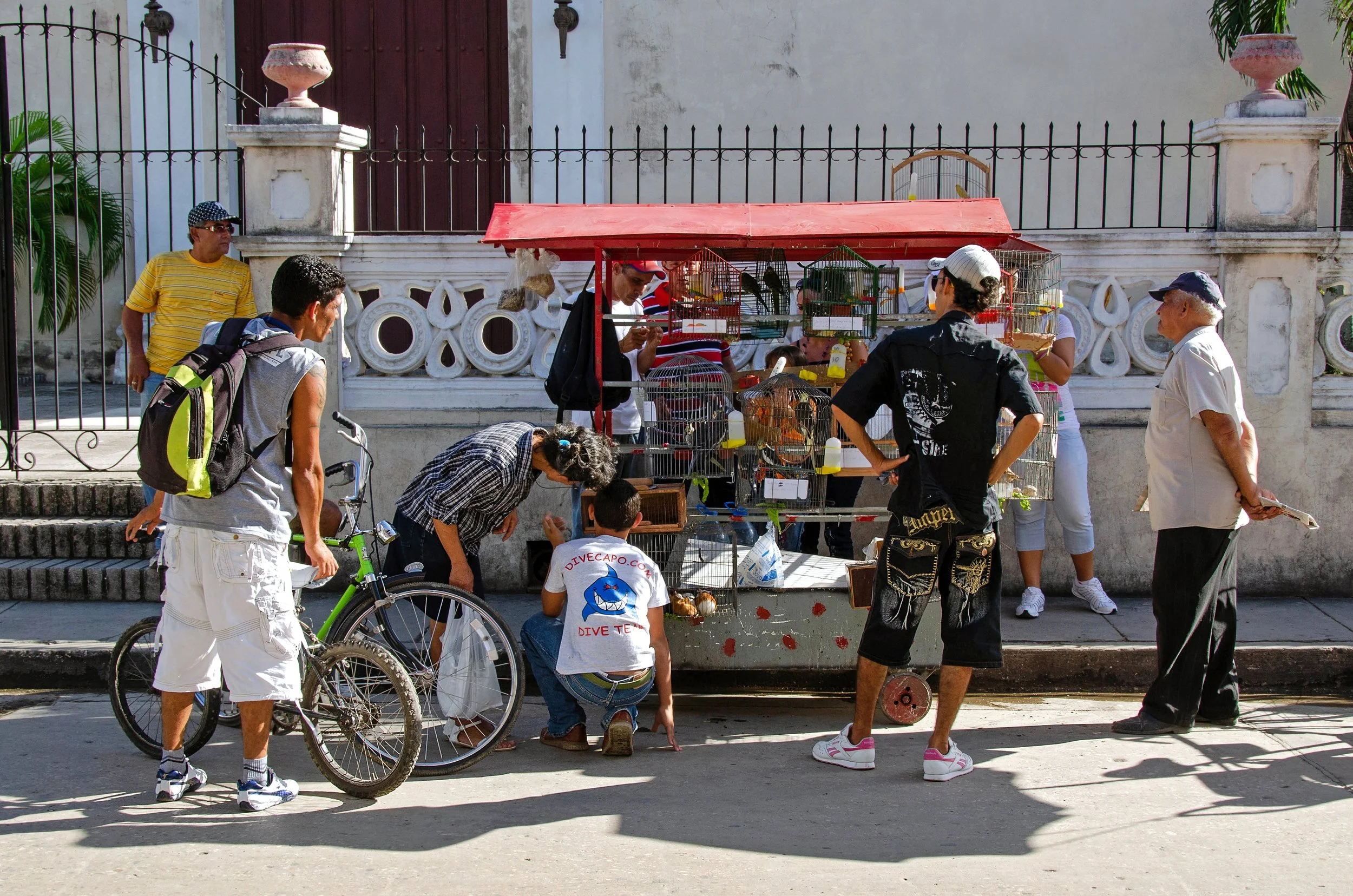
Looking back now, I can see that I was drawn to structure even then; roads seen from above, figures placed against large areas of colour. Repetition broken by small human gestures. But it all happened quickly, almost impatiently. As if I was afraid that if I slowed down, I’d miss something else happening just out of frame.
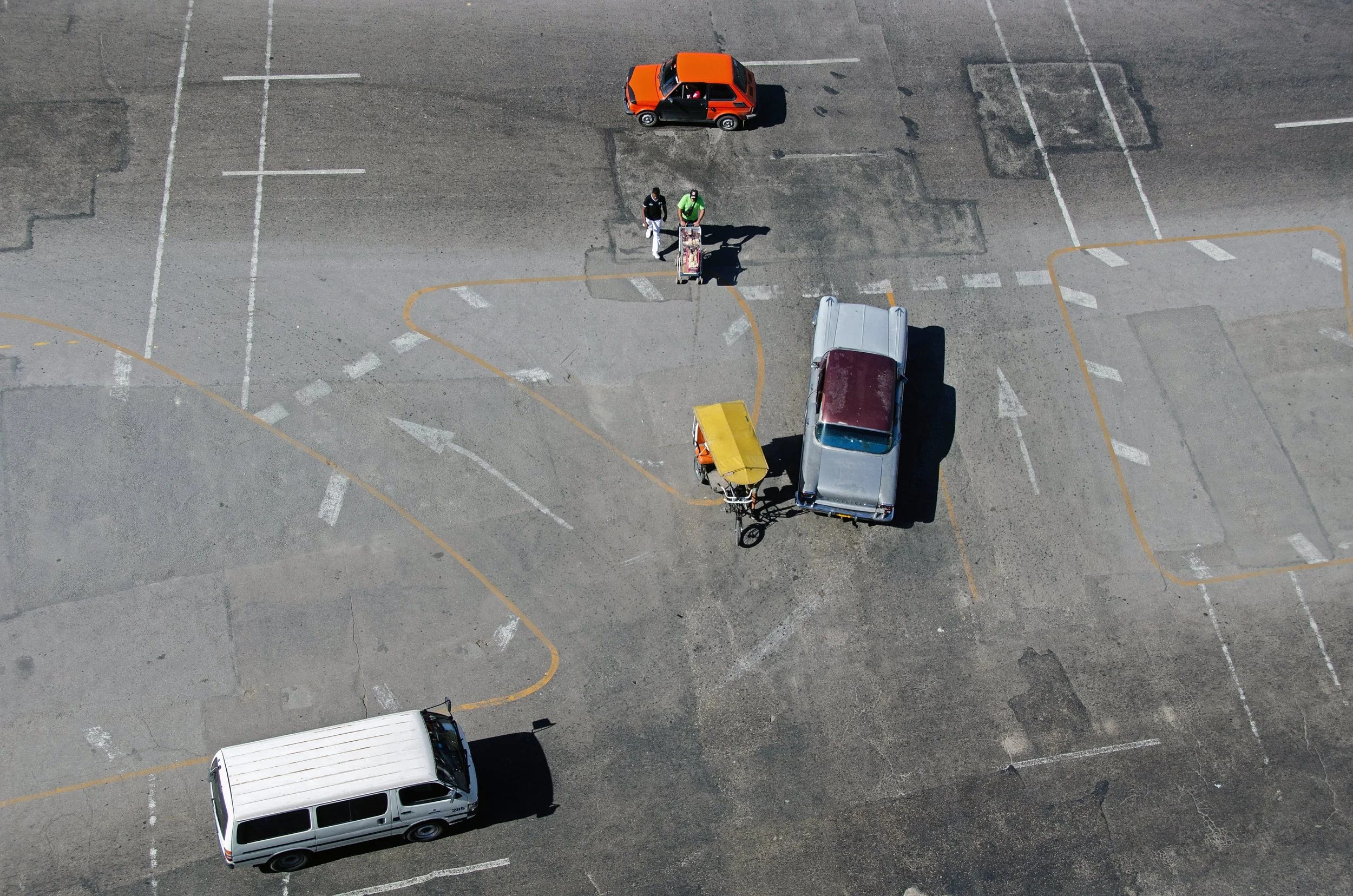
There’s a kind of visual generosity in Cuba. So much is visible, so much happens in public. People sit in doorways, lean from windows, gather in the street. Life doesn’t retreat indoors in the same way here in the UK. That openness makes photographing feel both easy and difficult at the same time. Easy because there is always something there. Difficult because not everything needs to be photographed.
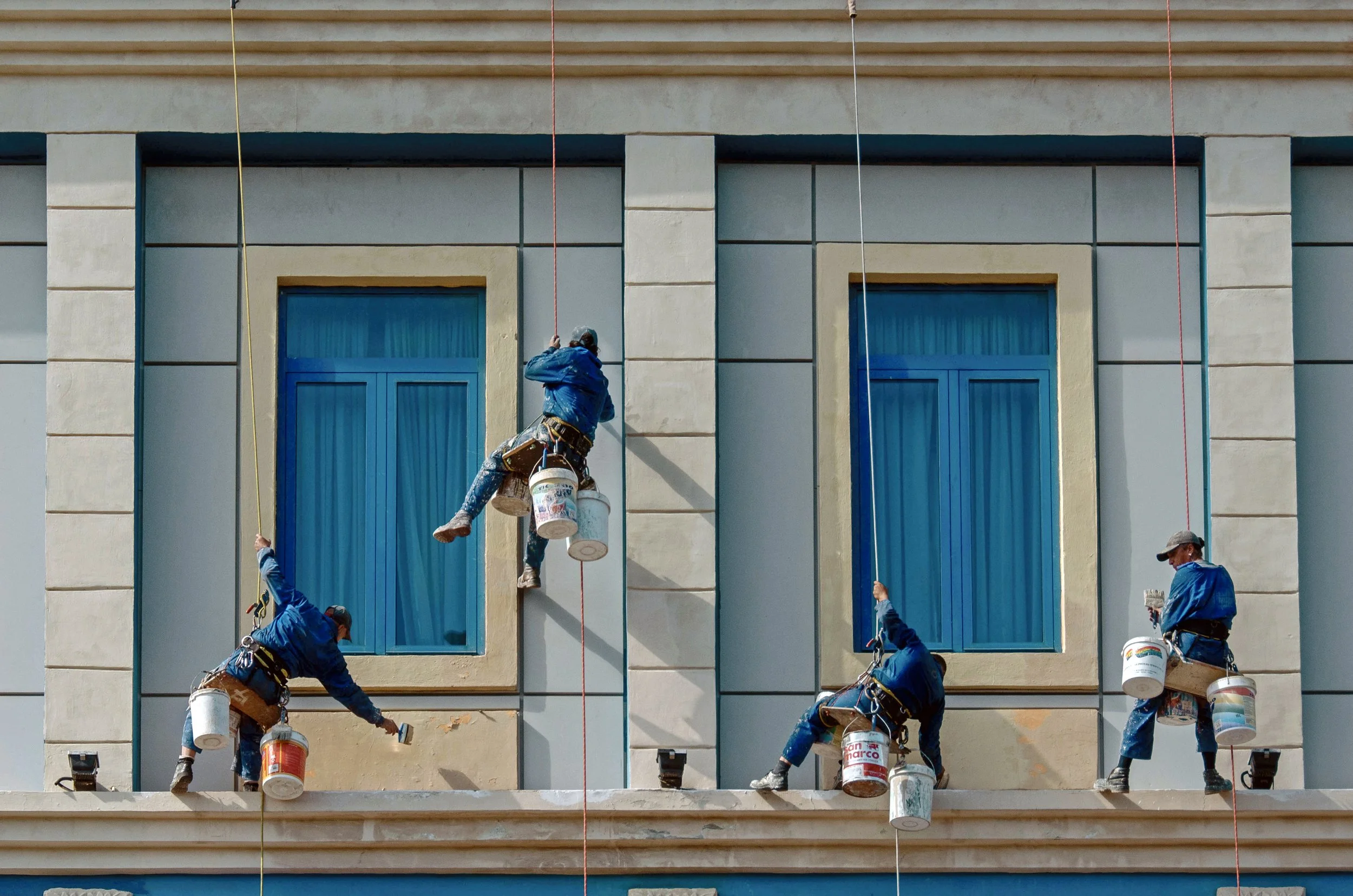
I often think about going back. About what I might do differently now. I like to think I’d be slower, more selective. Less eager to collect images and more willing to let scenes pass without photographing them.
Whether that’s experience or just another form of naivety, I’m not entirely sure.